The Digital Orchestrator: How Manufacturing Software Empowers the Automotive Industry
The automotive industry is constantly evolving to meet consumer demands for safety, efficiency, and technology. Manufacturing software is a powerful digital conductor, for these processes and empowering automotive manufacturers to achieve peak performance. The...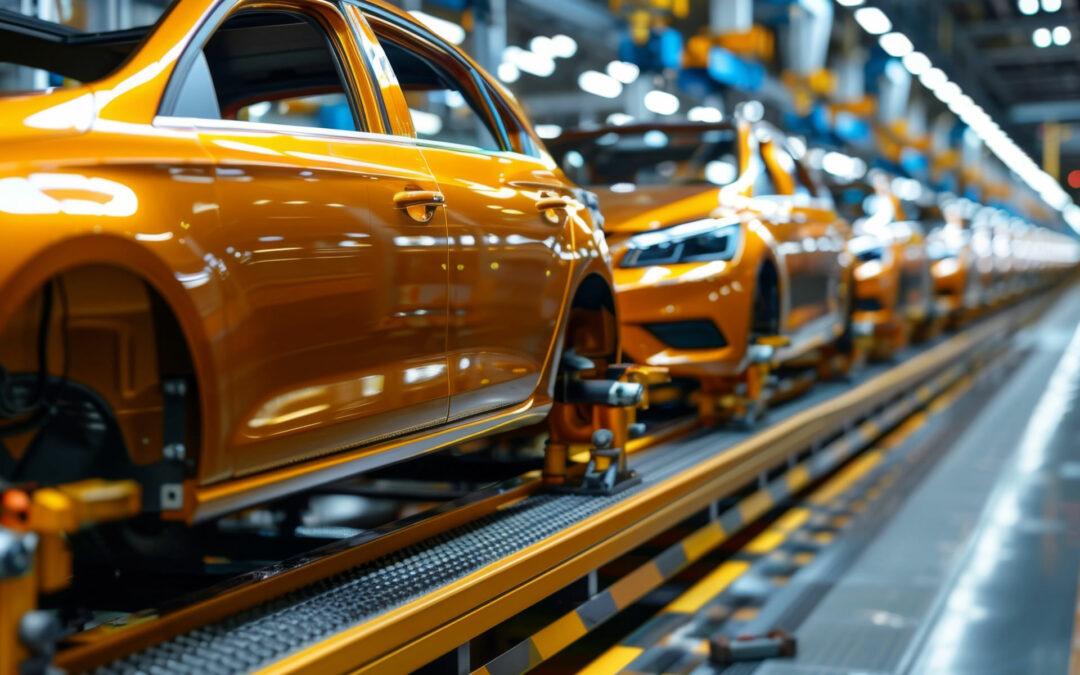
How Automotive Sequencing Software Revolutionizes Manufacturing
The automotive industry thrives on intricate assembly lines, where a symphony of parts culminates in creating a functional vehicle. However, ensuring a constant flow of the correct components in the precise order they’re needed presents a logistical challenge....
Building Consumer Confidence with Food Traceability Software
In today’s agri-food supply chain, ensuring food safety and transparency is paramount. The increasing consumer demand for safe and authentic food products has led to the widespread adoption of food traceability software by businesses across the industry. This...
Optimizing Government Efficiency: Warehouse Management Software in Public Service
Government institutions manage a vast array of physical assets and resources. From medical supplies in hospitals to emergency response equipment and educational materials, efficient warehouse operations are crucial for delivering essential services to citizens....